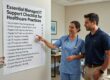
Medical practices today depend on complex technology systems to deliver patient care, maintain compliance, and operate efficiently. When signs your medical office needs healthcare it support become apparent, recognizing them early can prevent costly disruptions, compliance violations, and patient care delays.
System Downtime Is Disrupting Patient Care
Frequent system crashes represent the most obvious red flag that your practice needs professional IT support. When your electronic health record (EHR) system goes down more than once per month, staff must resort to paper records, delaying patient appointments and requiring time-consuming manual data entry later.
Other concerning performance issues include:
- Slow system boot times exceeding 10 minutes that keep staff waiting
- Network connectivity failures on check-in tablets or exam room computers
- Sluggish applications during peak patient hours
- Email outages that delay communications with patients, labs, and specialists
- Hardware failures like printers going offline multiple times per week
Each minute of unplanned downtime can cost medical practices up to $7,500 in lost productivity, delayed billing, and patient dissatisfaction. When technology problems become a weekly occurrence, it’s time to evaluate your IT support strategy.
Your Staff Spends Too Much Time Troubleshooting Technology
Clinical staff should focus on patient care, not IT problems. If nurses, medical assistants, or physicians regularly spend time fixing printer jams, resetting computers, troubleshooting Wi-Fi connectivity, or restarting software applications, your practice is losing valuable clinical time.
Warning signs include:
- Front desk delays caused by check-in system problems
- Documentation interruptions when EHR systems freeze during patient visits
- Billing delays from technology issues preventing timely claim submissions
- Staff frustration leading to workarounds like paper notes or verbal communications instead of proper system documentation
When clinical staff become part-time IT troubleshooters, both patient care quality and operational efficiency suffer.
Security Vulnerabilities Threaten Patient Data Protection
HIPAA compliance requires robust security measures that general IT support often cannot provide. Healthcare-specific threats like ransomware attacks targeting patient records demand specialized security expertise and monitoring.
Critical security warning signs include:
- Missing or outdated security risk assessments
- Weak password policies across staff accounts
- Outdated antivirus software or operating systems with security patches months behind
- No encryption for laptops, mobile devices, or data backups
- Inadequate access controls allowing staff to view patient records beyond their job requirements
- Absence of security training for recognizing phishing emails and social engineering attempts
Compliance Documentation Gaps
Healthcare practices must maintain detailed documentation proving HIPAA compliance. Missing documentation during an audit can result in significant financial penalties, even if no actual breach occurred.
Essential compliance records include:
- Annual security risk assessments
- Staff training completion logs
- Business associate agreements with vendors
- Incident response procedures and breach logs
- Data backup and recovery testing results
Technology Integration Problems Slow Operations
Modern medical practices rely on multiple interconnected systems for scheduling, billing, lab results, and patient communications. Integration failures create operational bottlenecks that impact revenue and patient satisfaction.
Common integration problems include:
- Data sync failures between EHR and practice management systems
- Lab result delays from connectivity issues with diagnostic partners
- Billing errors caused by incomplete data transfer between systems
- Duplicate data entry requirements across multiple platforms
- Inconsistent software versions across multiple practice locations
Multi-Location Challenges
Practices with multiple locations face additional complexity when technology systems don’t work seamlessly across sites. Inconsistent technology standards can create operational silos that prevent efficient practice management and complicate staff scheduling between locations.
Your Current IT Support Lacks Healthcare Expertise
General IT providers often lack the specialized knowledge required for healthcare environments. They may not understand HIPAA requirements, clinical workflows, or the integration challenges specific to medical practice software.
Red flags with current IT support include:
- Long response times measured in hours or days rather than minutes
- No service level agreements defining response and resolution timeframes
- Recurring unresolved issues that keep causing the same problems
- Absence of preventive maintenance schedules for critical systems
- No disaster recovery planning for practice continuity during outages
- Reactive approach that only addresses problems after they disrupt operations
Strategic Planning Gaps Hinder Practice Growth
Technology decisions should align with practice growth plans and regulatory requirements. Without proper IT planning, practices often make expensive technology investments that don’t integrate well or meet long-term needs.
Strategic planning warning signs include:
- No technology roadmap for future growth and system upgrades
- Ad hoc purchasing decisions without considering integration requirements
- Lack of input from IT experts during technology selection processes
- Budget surprises from unexpected system replacements or upgrades
- Scalability limitations that prevent adding new providers or locations efficiently
Effective IT support planning for growing clinics includes regular technology assessments, upgrade planning, and vendor management to ensure systems can scale with practice growth.
What This Means for Your Practice
Recognizing these warning signs early allows practice managers to address IT issues before they escalate into major disruptions. Professional healthcare IT support provides the specialized expertise needed to maintain system reliability, ensure HIPAA compliance, and optimize technology investments for operational efficiency.
Modern healthcare practices benefit from proactive IT management that includes 24/7 monitoring, regular security updates, compliance documentation, and strategic planning aligned with practice goals. The right IT support partner helps protect your practice from cyber threats, ensures regulatory compliance, and allows your clinical staff to focus on what they do best—caring for patients.
Ready to evaluate your practice’s IT infrastructure? Contact MedicalITG today to discuss how professional healthcare IT support can improve your practice’s reliability, security, and operational efficiency.