
How to Develop Risk Management Plan for Healthcare
In the dynamic landscape of healthcare, where patient care and safety are paramount, the implementation of a robust risk management…

 MedicalITG Cyber TitanA unique and secure approach for the healthcare industry to achieve then maintain security and HIPAA compliance
 Security Operations PlatformA complete Security Operations Platform for Managed Detection and Response (MDR) and triaged by the Concierge Security® Team
 Managed Endpoint ProtectionProfessionally Managed Service paired with a next-gen security suite protects against ransomware, zero-day, malware, fileless attacks, and other sophisticated threats
In the dynamic landscape of healthcare, where patient care and safety are paramount, the implementation of a robust risk management…

As healthcare providers increasingly rely on technology to store and manage patient data, the need for robust IT security measures…
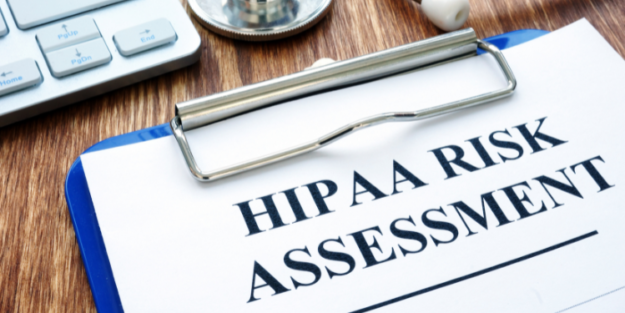
Did you know that, according to the HIPAA Security Rule, you must perform a risk assessment at least annually? In this blog post, we will discuss what a HIPAA risk assessment is and why it is important. We will also provide some tips on how to conduct your risk assessment.

Security risks are an ever-present concern for businesses of all sizes. To help protect your company from potential threats, it is important to develop a security risk management plan. This document will outline specific steps you can take to identify, evaluate, and mitigate any risks to your organization.

HIPAA requires healthcare organizations to conduct a risk analysis of their information systems and procedures to identify Risk Factors and potential safeguards. However, what exactly goes into a HIPAA risk analysis? In this blog post, we will discuss the key elements your organization should include in a HIPAA risk analysis.

As the healthcare industry becomes increasingly digitized, so do the threats it faces. Cyberattacks against healthcare organizations are becoming more common and more sophisticated. This can pose a serious risk to patient safety and data security.

If you are a healthcare professional, you must understand the basics of HIPAA compliance. For instance, one of the most important parts of HIPAA compliance is performing a risk assessment. A successful HIPAA risk assessment must consider potential risks and vulnerabilities to the confidentiality, integrity, and availability of electronically protected health information (ePHI).

In this blog post, we will discuss some of the common healthcare security threats and ways organizations can mitigate them. There are a variety of cyber threats that healthcare organizations face. These threats can come from a variety of sources, including malicious insiders, hackers, and nation-states.

Disaster recovery planning is the process of creating a plan of action to ensure that essential healthcare services can be quickly and effectively restored in the event of a disruption. A well-designed disaster recovery plan should take into account all potential risks and threats, plus the unique needs of the healthcare organization.

Health Insurance Portability and Accountability Act (HIPAA) of 1996 is a law that protects patient health information. HIPAA has security standards in place to keep personal health information secure. HIPAA also has privacy rules that protect individuals’ access to their medical records.