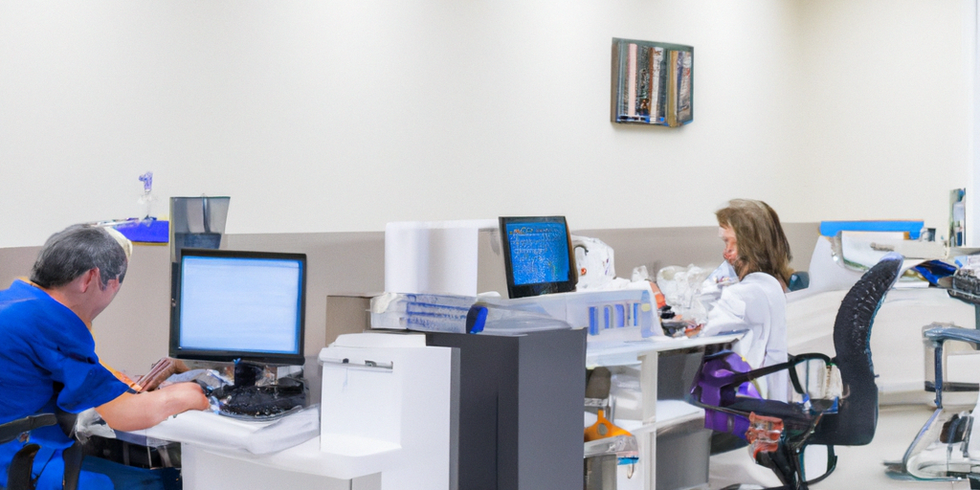
When medical practices expand beyond a single location, the complexity of managing technology infrastructure grows exponentially. Healthcare IT consulting planning for growing practices becomes essential as traditional single-site solutions often fail to scale effectively, leading to data silos, compliance gaps, and operational inefficiencies that can compromise patient care.
Expanding to multiple locations introduces unique challenges that require strategic planning and coordinated implementation. Without proper IT infrastructure planning, practices risk creating disconnected systems that hinder rather than help growth.
Centralized Infrastructure: The Foundation of Multi-Site Success
The most critical priority for multi-location practices is establishing a centralized IT infrastructure that unifies operations across all sites. This approach eliminates data silos and enables real-time access to patient information from any location.
Cloud-based EHR and practice management systems should be your first investment. These platforms allow seamless sharing of patient histories, automatic system updates, and scalable user controls that grow with your practice. Unlike server-based systems that require expensive hardware at each location, cloud solutions provide consistent access regardless of physical location.
Standardizing hardware across locations simplifies support and reduces training requirements. When staff can use identical systems at any site, productivity increases and IT support becomes more efficient. Centralized backup systems ensure consistent data protection policies across all locations.
Network Security and Connectivity Requirements
Reliable, secure connectivity between locations is non-negotiable for HIPAA-compliant operations. Site-to-site VPNs or SD-WAN solutions provide encrypted data transfer channels that protect patient information during transmission between locations.
Bandwidth planning must account for EHR usage, telehealth consultations, and medical imaging transfers. Each location needs sufficient capacity to handle peak usage without degrading performance. Network redundancy and failover capabilities prevent costly downtime that can average $8,000 per hour for medical practices.
Remote monitoring and management (RMM) tools enable IT teams to oversee all locations from a central point. These systems provide real-time alerts, automated maintenance, and proactive problem resolution. However, critical issues still require on-site support capabilities at each location.
Key Network Priorities:
- Implement redundant internet connections at each location
- Deploy unified threat management (UTM) devices for consistent security
- Establish standardized Wi-Fi networks with guest access controls
- Create network documentation for each site
HIPAA Compliance Across Multiple Sites
Maintaining HIPAA compliance becomes significantly more complex with multiple locations. Consistent security controls must be implemented across all sites, including firewalls, endpoint protection, access management, and centralized audit logging.
Each location requires the same level of physical security, from locked server rooms to controlled access systems. Administrative safeguards like staff training, incident response procedures, and risk assessments must be standardized but customized for local conditions.
Centralized audit logging allows compliance officers to monitor all locations from a single dashboard. This unified approach simplifies reporting for compliance audits and helps identify potential security incidents across the entire organization.
Business Associate Agreements (BAAs) with technology vendors become more critical as your vendor ecosystem expands. Consolidating vendors reduces compliance complexity and often provides better pricing through volume agreements.
EHR Integration and Data Management Strategy
Unified EHR platforms are essential for multi-location practices. Staff must access complete patient records regardless of where services were originally provided. The system should handle high user loads during peak hours without performance degradation.
Data backup and disaster recovery planning requires coordination across all locations. Cloud-based solutions often provide the most cost-effective approach while ensuring compliance with HIPAA requirements. Local backups may still be necessary for critical systems that require immediate access during network outages.
Integration capabilities become more important as practices add locations. Your EHR should connect seamlessly with laboratory systems, imaging centers, and specialist referral networks that serve multiple locations.
Data Management Best Practices:
- Implement automated daily backups with offsite storage
- Test disaster recovery procedures quarterly
- Establish data retention policies that comply with state requirements
- Create patient data access logs for compliance monitoring
Communication and Collaboration Tools
Multi-location practices need secure communication systems that facilitate collaboration between sites while maintaining HIPAA compliance. Staff must be able to consult with colleagues, share patient information, and coordinate care across locations.
Video conferencing systems enable face-to-face meetings without travel costs. However, these platforms must provide end-to-end encryption and business associate agreements to ensure compliance. Phone systems should integrate with your EHR to automatically log patient communications.
Standardizing communication tools across locations reduces training requirements and ensures consistent patient experiences. Staff members should be able to work at any location using familiar systems and procedures.
Vendor Management and Support Strategy
As your practice grows, vendor management becomes increasingly complex. Prioritize healthcare-experienced vendors with proven HIPAA compliance programs and 24/7 support capabilities. Vendors serving multiple healthcare organizations often provide better support and more competitive pricing.
Consolidating vendors reduces security risks and simplifies contract management. However, avoid single points of failure by maintaining alternative vendors for critical systems. Document all vendor relationships and ensure current BAAs are in place.
Managed IT services can provide scalable support as your practice grows. These providers often offer specialized healthcare expertise and can manage complex multi-location deployments more efficiently than internal IT staff.
Vendor Selection Criteria:
- Healthcare industry experience and references
- HIPAA compliance programs and audit results
- 24/7 support availability with guaranteed response times
- Scalable pricing models that grow with your practice
- Integration capabilities with existing systems
Planning for Growth and Scalability
Successful IT planning anticipates future growth and changing requirements. Modular system architectures allow practices to add locations without completely rebuilding their technology infrastructure.
Licensing agreements should accommodate growth without penalties. Many software vendors offer tiered pricing that becomes more cost-effective as you add users and locations. Plan for at least 20% more capacity than current requirements to handle unexpected growth.
Performance monitoring helps identify when systems approach capacity limits. Proactive upgrades prevent service interruptions that could affect patient care or staff productivity.
Regular technology assessments ensure your infrastructure continues to meet clinical and business requirements. As healthcare technology evolves, practices must balance innovation with stability and compliance requirements.
What This Means for Your Practice
Multi-location healthcare practices require sophisticated IT infrastructure planning that balances growth, compliance, and operational efficiency. The key is establishing centralized systems early in your expansion process rather than trying to connect disparate systems later.
Prioritize cloud-based solutions that scale with your practice, implement consistent security controls across all locations, and choose vendors with proven healthcare expertise. IT support planning for growing clinics should begin before you open your second location to ensure smooth expansion.
Proper planning prevents the common mistakes that lead to compliance violations, security breaches, and operational inefficiencies. Invest in professional IT consulting to develop a comprehensive strategy that supports your practice’s growth objectives while maintaining the highest standards of patient care and data security.
Ready to plan your multi-location IT strategy? Contact our healthcare IT specialists for a consultation that addresses your specific growth plans and compliance requirements. We’ll help you build an infrastructure that scales efficiently while protecting your patients and your practice.