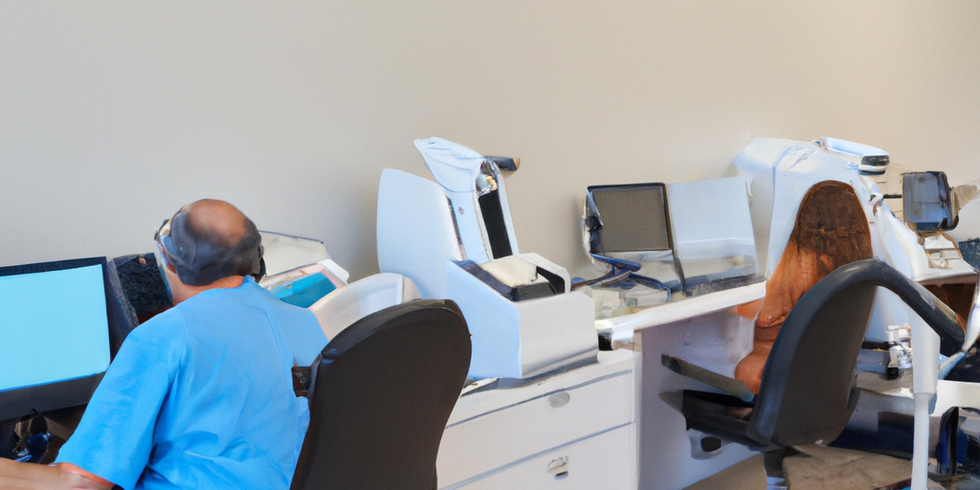
Ransomware attacks against healthcare practices reached unprecedented levels in 2025, with nearly 400 U.S. healthcare organizations reporting cyberattacks and ransom demands targeting patient data through sophisticated “double extortion” tactics. For practice managers and clinic executives in Orange County, this escalating threat requires immediate attention through professional healthcare it consulting orange county to protect operations, ensure HIPAA compliance, and safeguard patient trust.
Why Healthcare Practices Are Prime Targets
Healthcare organizations face a unique vulnerability that cybercriminals actively exploit. Healthcare data breaches cost an average of $9.77 million to resolve—the highest of any industry for 14 consecutive years. Unlike other sectors, medical practices cannot simply shut down operations during an attack without potentially endangering patient lives.
Attackers leverage this “double-pressure” scenario by:
- Encrypting critical systems including EHR, scheduling, and billing platforms
- Stealing sensitive patient data before encryption to threaten public exposure
- Targeting medical devices and Internet of Medical Things (IoMT) equipment
- Exploiting third-party vendors that serve multiple healthcare clients
The 2024 Change Healthcare incident exemplifies this strategy—affecting 190 million patient records and costing over $1.5 billion in total losses despite paying a $22 million ransom.
The Growing Threat of Double Extortion
Modern ransomware attacks don’t just encrypt your data—they steal it first. Double extortion tactics now appear in 96% of healthcare ransomware cases, creating dual threats:
Operational Disruption: Encrypted systems force practices to revert to paper processes, delaying patient care and creating workflow chaos.
Data Exposure Risk: Stolen patient records, including Social Security numbers, medical histories, and treatment plans, face potential public release if ransoms aren’t paid.
HIPAA Violations: Data theft automatically triggers breach notification requirements, potentially resulting in regulatory fines and reputation damage.
This evolution makes traditional backup-only strategies insufficient. Practices need comprehensive protection that addresses both encryption and data theft scenarios through proper hipaa risk assessment protocols.
Essential Protection Strategies for Medical Practices
Network Segmentation and Device Security
Isolate critical systems to prevent attackers from moving freely through your network. Segment patient care systems (EHR, imaging devices, patient monitors) from administrative networks handling billing and HR functions.
- Change default passwords on all medical devices
- Implement role-based access controls
- Monitor IoMT devices separately from traditional IT assets
- Regular security assessments of network boundaries
Immutable Backup Systems
Traditional backups aren’t enough when attackers specifically target backup systems. Deploy immutable backup solutions that cannot be deleted or encrypted by ransomware:
- Follow the 3-2-1 rule: three copies of data, two different media types, one offsite
- Use write-once-read-many (WORM) storage technology
- Test restoration processes monthly with simulated scenarios
- Maintain air-gapped backups disconnected from your network
Staff Training as Your First Defense
52% of healthcare breaches involve malicious actors, often gaining access through phishing emails targeting staff. Implement ongoing security awareness programs:
- Monthly phishing simulation exercises
- Secure messaging training to prevent accidental PHI exposure
- Incident reporting procedures for suspicious activity
- Role-specific training for handling sensitive patient data
Vendor Risk Management
With attacks increasingly targeting healthcare vendors and service partners, thoroughly vet all business associates:
- Review business associate agreements for security requirements
- Conduct regular security assessments of key vendors
- Develop contingency plans for vendor outages
- Monitor vendor security postures continuously
Compliance Considerations and Regulatory Updates
Healthcare practices reported 725 large HIPAA breaches in 2024—roughly two daily—with vendor-side breaches exposing over 93 million records compared to 34.9 million at direct providers. This trend emphasizes the importance of comprehensive risk management.
Key compliance priorities include:
- Annual risk assessments covering all systems and vendors
- Multi-factor authentication on all access points
- Encryption of data at rest and in transit
- Regular security monitoring and incident response procedures
- Updated business associate agreements addressing cybersecurity
The Office of Civil Rights closed 22 penalty cases in 2024, demonstrating continued enforcement vigilance despite the challenging threat landscape.
The Business Case for Professional IT Support
While ransom demands dropped 91% to an average of $343,000 in 2025, total recovery costs continue climbing due to operational disruption, regulatory fines, and reputation damage. Many practices discover their existing IT support lacks the specialized healthcare cybersecurity expertise needed for effective protection.
Professional managed it support for healthcare provides:
- 24/7 monitoring for early threat detection
- HIPAA-compliant security frameworks tailored to healthcare
- Rapid incident response to minimize downtime
- Regular security assessments to identify vulnerabilities
- Staff training programs specific to healthcare threats
What This Means for Your Practice
Ransomware threats will continue evolving, but practices that implement comprehensive security strategies significantly improve their defensive posture. The key lies in moving beyond reactive approaches to proactive protection that addresses the unique challenges of healthcare IT environments.
Start with these immediate actions:
- Conduct a comprehensive security risk assessment
- Evaluate your current backup and recovery capabilities
- Review all vendor relationships and security agreements
- Assess staff cybersecurity awareness and training needs
Consider partnering with healthcare IT specialists who understand the regulatory requirements, operational constraints, and security challenges specific to medical practices. The cost of prevention is always lower than the cost of recovery, and professional guidance ensures your investments align with both security needs and HIPAA compliance requirements.
Ransomware attacks are not a matter of “if” but “when.” The practices that survive and thrive are those that prepare comprehensively, respond quickly, and maintain patient trust through demonstrated commitment to data security and operational resilience.