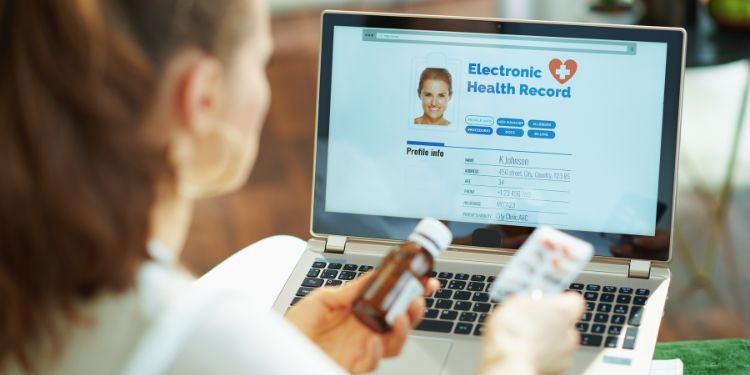
Electronic Health Records (EHRs) have transformed healthcare by improving access to patient information, streamlining workflows, and supporting better clinical decisions. However, with this digital convenience comes increased responsibility to protect highly sensitive data. This is where EHR security measures protect sensitive patient information by preventing unauthorized access, reducing breach risks, and ensuring compliance with HIPAA regulations.
From encryption and access controls to continuous monitoring, modern EHR security safeguards are essential for maintaining patient trust and protecting healthcare organizations from costly incidents. This blog explores the key EHR security measures in place today and how they work together to keep patient data safe.
Why EHR Security Is Critical in Healthcare
Healthcare organizations store vast amounts of protected health information (PHI), including medical histories, test results, insurance details, and personal identifiers. This data is highly valuable to cybercriminals and tightly regulated by law.
Without strong EHR security, organizations risk:
- Data breaches and ransomware attacks
- HIPAA violations and financial penalties
- Disruption to patient care
- Loss of patient trust and reputation
Because EHRs are accessed by multiple users across departments and locations, security must be built into every layer of the system.
Core EHR Security Measures That Protect Patient Data
1. Encryption Safeguards Data at Rest and in Transit
Encryption is one of the most important security controls in EHR systems. It converts sensitive data into unreadable code that can only be accessed with the proper decryption key.
EHR encryption protects data by:
- Securing stored patient records on servers and databases
- Protecting data transmitted between systems, devices, and cloud platforms
- Preventing exposure even if data is intercepted or stolen
This ensures patient data remains protected throughout its entire lifecycle.
2. Access Controls Limit Who Can View Patient Records
Not every staff member needs access to every patient record. Role-based access controls (RBAC) ensure users can only access information required for their job.
Access control measures include:
- Unique user logins for all staff
- Role-based permissions based on job function
- Multi-factor authentication (MFA) for added security
- Automatic session timeouts for inactive users
These controls reduce the risk of insider threats and unauthorized access—key reasons EHR security measures protect sensitive patient information so effectively.
3. Audit Logs and Monitoring Improve Visibility
Audit logging is a critical HIPAA requirement. EHR systems track who accessed patient records, when access occurred, and what actions were taken.
Monitoring and logging help organizations:
- Detect unusual or unauthorized activity
- Investigate potential security incidents
- Demonstrate compliance during audits
- Hold users accountable for data access
Continuous monitoring allows issues to be identified and addressed before they escalate into breaches.
HIPAA-Compliant Safeguards Built Into EHR Systems
HIPAA’s Security Rule requires healthcare organizations to implement administrative, physical, and technical safeguards. Modern EHR platforms are designed to support these requirements.
1. Administrative Safeguards
These include policies and procedures that guide how EHR systems are used securely, such as:
- Workforce training on data privacy
- Defined access policies
- Incident response plans
- Regular risk assessments
Administrative safeguards ensure that technology is used responsibly and consistently.
2. Physical Safeguards
Physical security protects the hardware and facilities where EHR systems are accessed or stored.
Examples include:
- Secure server rooms
- Controlled access to workstations
- Policies for device usage and disposal
- Protection against theft or tampering
These safeguards reduce risks from physical access to sensitive data.
3. Technical Safeguards
Technical controls are the backbone of EHR security, including:
- Encryption and secure authentication
- Firewalls and intrusion detection systems
- Secure backups and disaster recovery solutions
- Regular system updates and patching
Together, these measures help ensure data confidentiality, integrity, and availability.
How EHR Security Measures Reduce Breach Risks
Healthcare data breaches often result from weak passwords, phishing attacks, or outdated systems. Strong EHR security measures help mitigate these risks by layering protections across the environment.
Benefits include:
- Reduced risk of ransomware and malware attacks
- Faster detection of suspicious activity
- Improved response to security incidents
- Better protection against insider threats
When implemented correctly, EHR security measures protect sensitive patient data while supporting uninterrupted care delivery.
Supporting Secure Remote and Mobile Access
Modern healthcare environments often require remote access to EHR systems for telemedicine, on-call staff, or multi-location practices. This increases flexibility but also introduces new risks.
EHR security supports safe remote access through:
- Secure VPN connections
- Multi-factor authentication
- Device encryption and endpoint protection
- Access restrictions based on location or device
These controls allow clinicians to work efficiently without compromising security.
The Role of Managed IT Services in EHR Security
Maintaining EHR security requires ongoing effort, expertise, and monitoring – resources that many healthcare organizations lack internally. Managed IT service providers help bridge this gap.
Managed services support EHR security by:
- Monitoring systems 24/7 for threats
- Managing updates and security patches
- Conducting regular risk assessments
- Responding quickly to incidents
- Ensuring ongoing HIPAA compliance
With professional support, healthcare organizations can maintain strong security without overburdening internal staff.
Best Practices for Strengthening EHR Security
To maximize protection, healthcare organizations should:
- Conduct regular HIPAA risk analyses
- Enforce strong password and MFA policies
- Train staff on phishing and data handling
- Keep systems and software up to date
- Review access permissions regularly
- Partner with healthcare IT security experts
Security is not a one-time setup – it’s an ongoing process that evolves with technology and threats.
Conclusion
As healthcare becomes increasingly digital, protecting patient data is more important than ever. Through encryption, access controls, monitoring, and HIPAA-aligned safeguards, EHR security measures protect sensitive patient data from unauthorized access and cyber threats.
By investing in strong security practices and expert IT support, healthcare organizations can safeguard patient trust, maintain compliance, and ensure uninterrupted care delivery.
Let Us Help You Secure Your EHR Systems
At Medical ITG, we specialize in healthcare IT services designed to safeguard patient data and ensure compliance. As a trusted healthcare managed service provider, we help organizations strengthen EHR security, reduce risk, and maintain operational reliability. Contact us today at (877) 220-8774 or email info@medicalitg.com to learn how we can help you protect patient data with confidence.