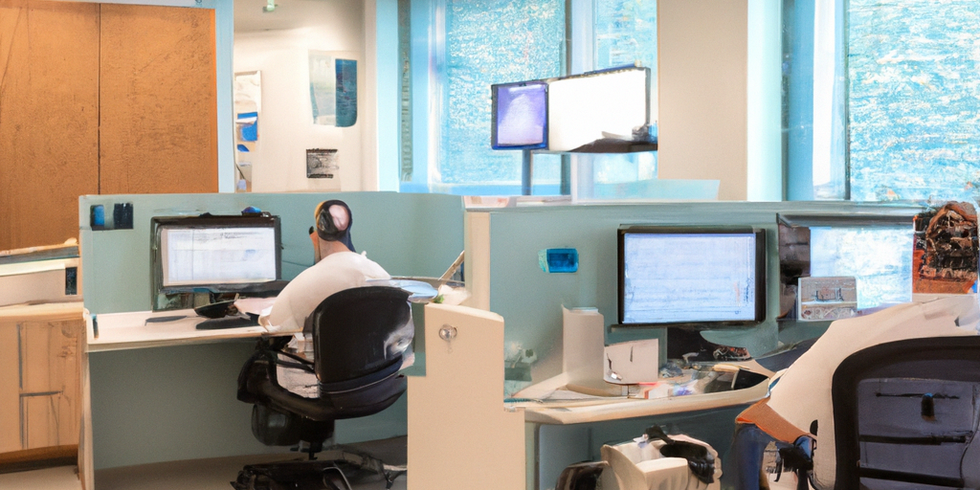
Selecting the right IT support partner is one of the most critical decisions your healthcare practice will make. A well-structured managed IT support checklist for healthcare practices helps ensure your chosen provider can protect patient data, maintain compliance, and keep your operations running smoothly.
The stakes are high: healthcare practices face an average of $4.45 million in costs per data breach, according to recent industry reports. The right IT partner doesn’t just fix computers—they become your shield against cyber threats, compliance violations, and operational disruptions.
Essential HIPAA Compliance Capabilities
Your IT support provider must demonstrate comprehensive HIPAA knowledge and compliance infrastructure. This goes far beyond basic technical skills.
Business Associate Agreement (BAA) Requirements:
- Signed BAA clearly defining PHI protection responsibilities
- Understanding of covered entity obligations under HIPAA
- Documented breach notification procedures (60-day requirement)
- Regular compliance training for all technicians handling your systems
Risk Assessment and Audit Capabilities:
- Annual risk assessments with detailed documentation
- Post-change audits when systems or processes are modified
- Vulnerability scanning and remediation tracking
- Clear audit trails for all PHI access and modifications
Your provider should have a designated HIPAA Security Officer who stays current on regulatory changes and can guide your practice through compliance requirements. Ask for references from other healthcare clients and request to see sample compliance reports.
Security Infrastructure and Threat Protection
Modern healthcare practices need 24/7 security monitoring that goes beyond traditional antivirus software. Cyber criminals specifically target medical practices because of the valuable patient data they hold.
Multi-Layered Security Approach:
- Security Operations Center (SOC) monitoring with defined response times
- Endpoint protection on all devices accessing patient data
- Network vulnerability scanning and automated patch management
- Email security filtering to prevent phishing attacks
- Dark web monitoring for compromised practice data
Data Encryption and Storage:
- Encryption at rest and in transit for all PHI
- HIPAA-compliant cloud storage solutions (Azure, AWS)
- Secure backup systems with tested recovery procedures
- Geographic redundancy for critical data protection
The provider should conduct regular penetration testing to identify vulnerabilities before criminals do. Ask about their incident response procedures and average response times for security alerts.
Access Controls and Identity Management
Improper access to patient data represents one of the biggest HIPAA violation risks. Your IT support checklist must include robust identity management capabilities.
Role-Based Access Controls:
- User permissions aligned to specific job responsibilities
- Automatic session timeouts for idle workstations
- Multi-factor authentication (MFA) for all system access
- Regular access reviews to remove unnecessary permissions
User Account Management:
- Prompt account creation for new employees
- Immediate access revocation for departing staff
- Guest access procedures for temporary users
- Emergency access protocols for after-hours care
Your provider should maintain detailed logs of who accessed what data and when. This audit trail becomes crucial during compliance reviews or breach investigations.
Service Level Agreements and Response Times
Downtime in healthcare isn’t just inconvenient—it can impact patient care. Your managed IT support checklist should include specific performance guarantees.
Critical Response Requirements:
- 15-30 minute response for system-down emergencies
- 99.9% uptime guarantees with penalty clauses
- Escalation procedures for unresolved issues
- Monthly performance reporting and review meetings
Support Availability:
- 24/7 helpdesk with healthcare industry expertise
- On-site support capability for complex issues
- Remote support tools for quick problem resolution
- Proactive maintenance during off-hours to minimize disruptions
Review their ticketing system and communication procedures. You should receive regular updates on ticket status and know exactly who to contact for different types of issues.
Staff Training and Change Management
Technology is only as secure as the people using it. Your IT partner should provide ongoing education and support for your staff.
Training Programs:
- HIPAA awareness training for all employees
- Phishing simulation exercises and feedback
- Policy updates when regulations change
- User documentation for common procedures
Change Management:
- Advance notice of system updates or maintenance
- User training for new software implementations
- Rollback procedures if changes cause problems
- Impact assessment for all major changes
The best providers act as strategic partners, not just repair services. They should understand your workflow and recommend improvements that enhance both security and efficiency.
Vendor Management and Documentation
Healthcare practices work with multiple technology vendors. Your IT support provider should help manage these relationships and ensure compliance across all systems.
Third-Party Oversight:
- BAA collection and management for all vendors
- Security assessments of new technology integrations
- Vendor performance monitoring and reviews
- Contract renewal assistance and negotiations
Documentation and Reporting:
- Detailed incident reports for all security events
- Regular compliance status reports
- Asset inventory and lifecycle management
- Policy documentation and version control
Ask potential providers about their experience with common healthcare software like EHRs, practice management systems, and medical devices. They should understand how these systems interact and where vulnerabilities might exist.
What This Means for Your Practice
A comprehensive managed IT support checklist for healthcare practices protects your practice from multiple risks while improving operational efficiency. The right provider becomes an extension of your team, handling complex technical requirements so you can focus on patient care.
Modern compliance management tools and automated monitoring systems make it easier than ever to maintain HIPAA compliance while reducing the administrative burden on your staff. The investment in quality IT support planning for growing clinics pays dividends through reduced downtime, fewer security incidents, and streamlined operations.
Don’t wait until a crisis hits to evaluate your IT support. Use this checklist to assess your current provider or evaluate new candidates. Your patients, staff, and bottom line will benefit from the protection and peace of mind that comes with professional healthcare IT management.