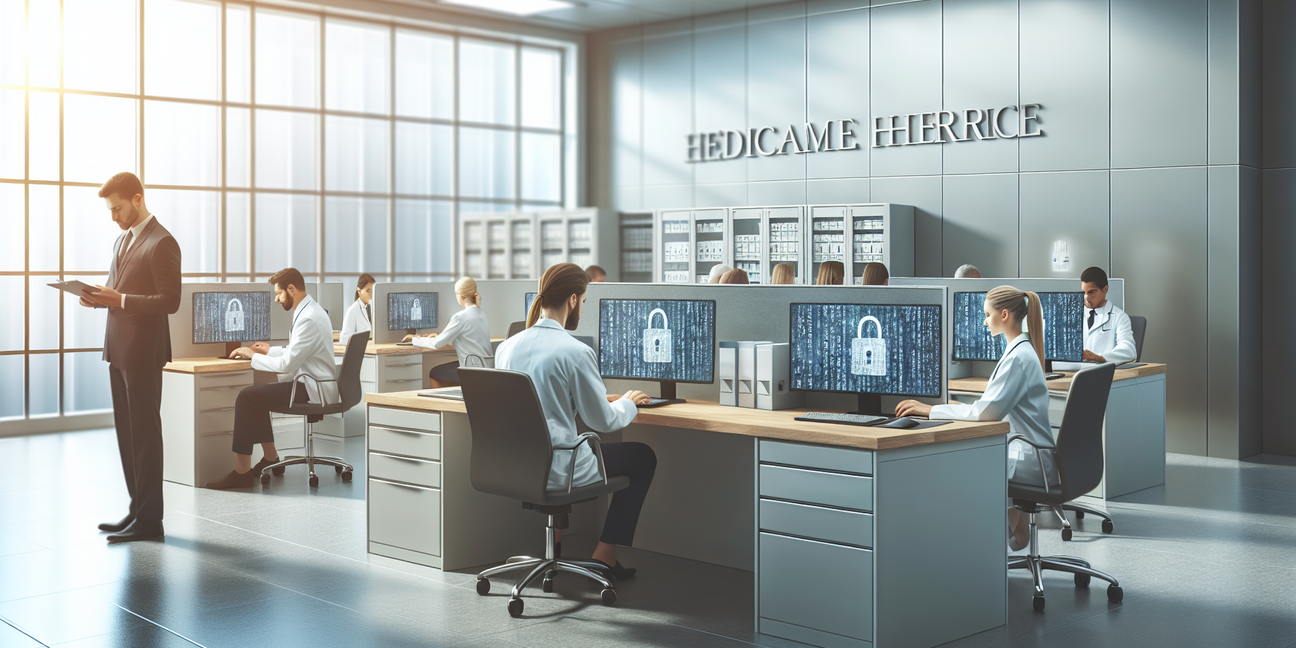
Modern medical practices face increasing technology demands while managing complex compliance requirements and patient care responsibilities. Recognizing when your practice has outgrown its current IT approach can protect your revenue, ensure HIPAA compliance, and improve patient care quality. These seven warning signs your medical office needs healthcare IT support indicate it’s time to move from reactive troubleshooting to proactive technology management.
Frequent System Downtime Disrupts Patient Care
The most obvious red flag is recurring downtime that brings daily operations to a halt. When practices experience EHR system crashes more than once per month, network failures during peak hours, or applications that freeze requiring daily restarts, the financial impact becomes severe.
Healthcare IT downtime costs practices an average of $7,500 to $7,900 per minute, translating to nearly $475,000 per hour in lost revenue and productivity. A six-hour EHR failure can cost a regional clinic $278,000 in lost revenue from:
• Canceled appointments (averaging $350 each in lost revenue) • Delayed procedures (costing up to $12,000 per postponed case) • Billing system interruptions ($15,000 per day in processing delays) • Staff overtime from manual workarounds
Your Staff Spends Too Much Time on Technology Issues
When clinical staff regularly troubleshoot computer problems instead of focusing on patient care, your practice needs professional IT support. Warning signs include:
• Nurses restarting computers multiple times per day • Medical assistants calling IT support more than twice weekly • Providers waiting several minutes for each EHR screen to load • Administrative staff using paper backups due to system reliability issues
This productivity drain costs practices in multiple ways. Staff overtime increases, patient satisfaction drops due to longer wait times, and employee turnover rises when technology frustrations interfere with job satisfaction.
Backup Systems Haven’t Been Tested in Months
Many practices assume their data backup systems work properly until disaster strikes. Critical warning signs your medical office needs healthcare IT support include:
• Backups that haven’t been tested or restored in over six months • No documented disaster recovery procedures • Unclear timelines for system restoration after failures • Reliance on untested paper-based contingency plans
When Change Healthcare suffered a massive cyberattack in 2023, affected practices discovered their backup systems were inadequate, leading to weeks of operational disruption. Proper backup testing and disaster recovery planning prevents these costly surprises.
Compliance Questions Create Legal Risk
HIPAA compliance becomes increasingly complex as technology evolves. Practices struggling with compliance questions face potential penalties up to $1.9 million per incident. Red flags include:
Security Gaps
• Unpatched software running on practice systems • Missing multi-factor authentication on EHR access • No network monitoring for unusual activity • Informal access controls for patient data
Documentation Problems
• Incomplete risk assessment records • Missing business associate agreements with vendors • No incident response procedures • Unclear data encryption policies
Ransomware attacks on medical practices averaged over $1.3 million in recovery costs during 2023, often triggered by these preventable security gaps.
Technology Purchases Don’t Meet Healthcare Needs
General IT providers often recommend solutions that don’t address healthcare-specific requirements. Warning signs include:
• Equipment purchases that aren’t compatible with medical devices • Software recommendations ignoring HIPAA requirements • No consideration for EHR integration needs • Missing healthcare industry experience in vendor relationships
Healthcare practices need technology partners who understand medical device connectivity, patient data workflows, and regulatory compliance requirements.
Aging Hardware Creates Operational Risk
Outdated technology signals the need for strategic IT planning. Common indicators include:
• Computers taking over 10 minutes to boot up • Frequent hardware failures requiring emergency repairs • End-of-life equipment without available security patches • No replacement schedule for critical systems
Healthcare organizations lose $8 billion annually to ineffective and outdated IT infrastructure. Proactive hardware management prevents emergency replacements and ensures consistent system performance.
Financial Performance Shows IT-Related Stress
IT problems often appear first in practice financial metrics:
• Accounts receivable extending beyond 45-60 days • Increasing claim denials due to coding or submission errors • Rising operational overhead above 60-70% of revenue • Unexpected technology expenses disrupting budget planning
These financial indicators suggest technology inefficiencies are impacting revenue cycle management and operational efficiency.
What This Means for Your Practice
Recognizing these warning signs early allows practices to transition from reactive IT troubleshooting to proactive technology management. Professional healthcare IT support provides 24/7 monitoring, HIPAA expertise, and strategic planning that prevents costly downtime and compliance violations.
The cost difference between reactive and proactive IT support is significant. While reactive support involves unpredictable emergency fees and revenue losses from frequent outages, managed IT services offer predictable costs and dramatically reduced downtime risk.
Modern healthcare IT planning for medical practices includes automated monitoring, predictive maintenance, and compliance tools that improve operational efficiency while protecting patient data and practice revenue.
Ready to move beyond reactive IT troubleshooting? MedicalITG specializes in healthcare technology management for medical practices throughout Orange County. Our HIPAA-compliant managed IT services include 24/7 monitoring, proactive maintenance, and strategic planning designed specifically for healthcare environments. Contact us today for a free technology assessment and discover how proper IT support can protect your practice revenue while improving patient care quality.