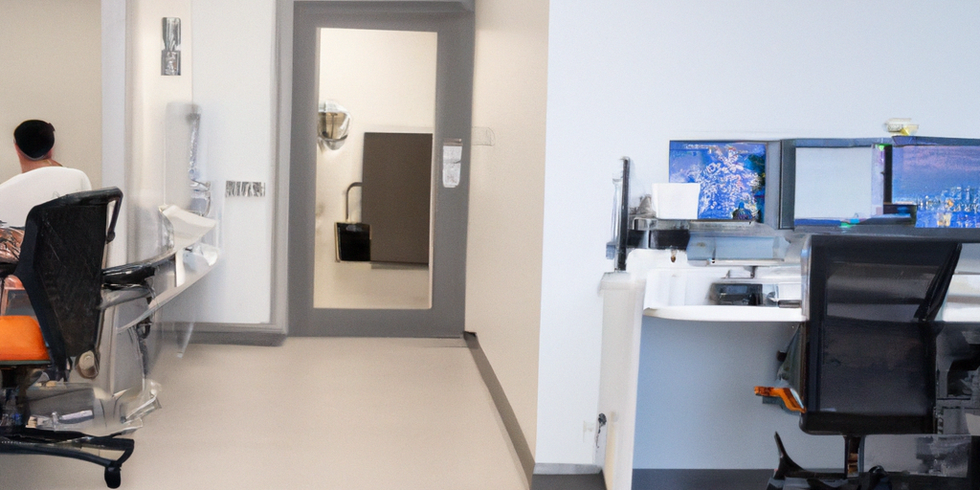
Medical practices need specialized technology partners who understand the unique demands of healthcare operations. A comprehensive managed IT support checklist for healthcare practices helps you evaluate potential providers based on critical factors like HIPAA compliance, cybersecurity expertise, and business continuity planning. This checklist ensures your practice selects an IT partner capable of protecting patient data while maintaining operational efficiency.
HIPAA Compliance and Documentation Requirements
Business Associate Agreement (BAA) Management
- Provider executes a comprehensive BAA defining PHI protection responsibilities and liability terms
- Clear breach notification procedures within required regulatory timelines
- Regular BAA reviews and updates for regulatory changes
- Documentation of all third-party vendor agreements and compliance monitoring
Risk Assessment and Policy Support
- Annual HIPAA risk assessments with comprehensive documentation
- Additional assessments after major system changes, EHR updates, or telehealth implementations
- Written policies for access controls, incident response, and data handling procedures
- Designated HIPAA Privacy and Security Officers for oversight
- Complete audit trail maintenance for regulatory reviews and compliance documentation
Cybersecurity Infrastructure and Threat Protection
24/7 Security Monitoring
- Security Operations Center (SOC) with real-time threat detection capabilities
- Defined response times for security incidents during and after business hours
- Automated alerts for suspicious activities and potential breaches
- Regular security reports and threat intelligence updates
Advanced Threat Prevention
- Multi-layered endpoint protection covering all devices, including mobile devices and medical equipment
- Regular network vulnerability scans and annual penetration testing
- Dark web monitoring for leaked practice data or credentials
- Behavioral analysis and ransomware protection with automated isolation capabilities
- Email security solutions with advanced phishing detection and prevention
Patch Management and System Updates
- Automated patch management scheduled during non-clinical hours
- Testing procedures for critical updates before deployment
- Emergency patching protocols for zero-day vulnerabilities
- Regular operating system and software updates across all practice systems
Infrastructure Management and Business Continuity
Proactive System Monitoring
- Real-time monitoring of servers, networks, and critical medical devices
- Capacity planning and performance optimization to prevent system overloads
- Predictive failure alerts and preventive maintenance scheduling
- Hardware lifecycle management with planned replacement timelines
Backup and Disaster Recovery
- Automated daily backups with secure offsite storage
- Regular backup testing and recovery procedures
- Comprehensive disaster recovery plan with defined Recovery Time Objectives (RTOs)
- Business continuity planning for various scenarios including cyberattacks, natural disasters, and equipment failures
System Availability and Uptime
- Redundant network architectures designed for healthcare environments
- EHR system optimization and performance monitoring
- Medical device integration and communication management
- Cloud-based infrastructure solutions with built-in redundancy
Help Desk Support and Staff Training
Responsive Technical Support
- 24/7 help desk with HIPAA-trained technicians
- Multiple contact methods including phone, email, chat, and ticketing systems
- Remote resolution capabilities to minimize practice disruptions
- Escalation procedures for critical issues affecting patient care
Staff Education and Awareness
- Regular HIPAA security awareness training for all practice staff
- Phishing simulation exercises and security best practices education
- Policy update communications and compliance reminders
- Incident reporting procedures encouraging prompt staff notifications
Vendor Management and Third-Party Oversight
Third-Party Risk Assessment
- Comprehensive security assessments for all software vendors and service providers
- Integration reviews for new healthcare applications and systems
- Regular vendor compliance monitoring and performance evaluations
- Coordinated incident response for multi-system security events
Contract and Compliance Management
- BAA tracking with automated renewal reminders
- Minimum necessary PHI sharing enforcement
- Regular review of vendor security certifications and compliance reports
- Documentation of vendor risk assessments and mitigation strategies
Implementation and Ongoing Evaluation
Initial Assessment and Setup
- Comprehensive baseline risk assessment to identify existing vulnerabilities
- Infrastructure evaluation and improvement recommendations
- Migration planning for new systems or provider transitions
- Staff training on new procedures and security protocols
Continuous Monitoring and Improvement
- Quarterly security reviews and compliance assessments
- Annual audits and penetration testing
- Incident response testing through tabletop exercises
- Regular policy updates reflecting regulatory changes and emerging threats
- Performance metrics tracking and reporting
What This Means for Your Practice
Using this managed IT support checklist for healthcare practices systematically helps you evaluate potential technology partners and ensure comprehensive protection for your practice. The right IT provider should demonstrate expertise in healthcare-specific challenges while offering proactive solutions that prevent problems before they impact patient care.
Modern healthcare practices face increasing cybersecurity threats, with ransomware attacks affecting over 180 healthcare organizations in 2024, resulting in average ransom payments of $900,000. A qualified managed IT provider helps you avoid these costly disruptions through comprehensive security measures and business continuity planning.
Ready to find the right technology partner for your practice? Get healthcare risk assessment guidance to identify your current vulnerabilities and ensure your next IT provider meets all critical requirements for protecting your practice and patients.