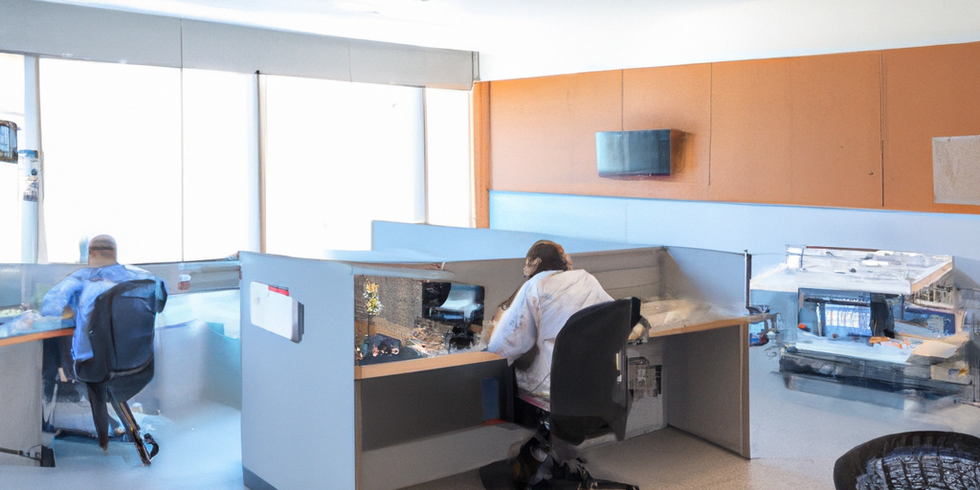
Healthcare practices face unique IT challenges that go beyond typical business technology needs. Between HIPAA compliance requirements, patient data protection, and the need for reliable systems that keep your practice running smoothly, having the right managed IT support checklist for healthcare practices is essential for making informed technology decisions.
This comprehensive checklist will help practice managers evaluate their current IT infrastructure, identify potential gaps, and ensure they have the right support systems in place to protect patient data and maintain efficient operations.
Essential HIPAA Compliance Requirements
Your IT support must address specific regulatory requirements that other industries don’t face. HIPAA compliance isn’t optional – it’s a legal requirement that requires ongoing attention and documentation.
Administrative Safeguards
Start with these foundational requirements:
• Access control policies that define who can access patient data and under what circumstances • Regular access reviews to ensure employees only have necessary system permissions • Workforce training documentation showing staff understand HIPAA requirements • Incident response procedures that outline steps to take if a breach occurs • Business Associate Agreements (BAAs) with all IT vendors and service providers
Your IT support should help maintain and update these policies as regulations evolve and your practice grows.
Technical Security Measures
Technical safeguards protect electronic protected health information (ePHI) through system controls:
• Multi-factor authentication (MFA) on all systems containing patient data • Data encryption for information stored on servers and transmitted between systems • Audit logging that tracks who accessed what information and when • Role-based access controls ensuring staff only see information necessary for their job • Automatic logoff features to protect unattended workstations
These technical measures require ongoing monitoring and updates, making reliable IT support crucial for maintaining compliance.
Critical Data Protection and Backup Systems
Patient data protection extends beyond compliance requirements. Your practice depends on reliable access to patient records to provide quality care and maintain operations.
Backup Requirements
A comprehensive backup strategy includes:
• Daily automated backups of all patient data and system configurations • Off-site storage with geographic redundancy to protect against local disasters • Regular restore testing to verify backups work when needed • Immutable backup storage that protects against ransomware attacks • Documented recovery procedures with specific timeframes for different scenarios
Your backup system should allow you to restore individual files, entire systems, or relocate operations to an alternate site depending on the situation.
Disaster Recovery Planning
Beyond backups, your practice needs a complete disaster recovery plan:
• Recovery time objectives (RTO) defining how quickly systems must be restored • Recovery point objectives (RPO) specifying acceptable data loss timeframes • Communication procedures for notifying staff and patients during outages • Alternative workflow processes for continuing patient care during system downtime • Regular testing to ensure procedures work as intended
This planning becomes especially important as practices grow and add multiple locations or services.
Help Desk and Support Service Standards
When technology problems occur, response time directly impacts patient care. Your managed IT support should provide service levels that match your practice’s operational needs.
Response Time Requirements
Establish clear expectations for different types of issues:
• Critical issues (system down, patient care impacted): 15-30 minute response • High priority (workflow disruption): 2-4 hour response • Medium priority (individual user problems): Same business day response • Low priority (enhancement requests): Within 48 hours
Ensure your support provider offers multiple contact methods and can resolve many issues remotely to minimize disruption.
Ongoing Monitoring and Maintenance
Proactive support prevents many problems before they impact your practice:
• 24/7 system monitoring to identify potential issues early • Automated patch management that keeps systems secure without disrupting operations • Performance monitoring to ensure systems meet your practice’s needs • Capacity planning to prevent outages as your practice grows • Security monitoring to detect potential threats or unauthorized access
This proactive approach reduces emergency situations and helps maintain consistent system performance.
Infrastructure Planning and Vendor Management
Your practice’s IT infrastructure must support current operations while allowing for future growth and changes in healthcare technology.
Network and Hardware Considerations
Evaluate these essential infrastructure components:
• Network capacity sufficient for current and planned systems • Server hardware that meets performance requirements with room for growth • Workstation specifications appropriate for your practice management and EHR systems • Mobile device management for tablets and smartphones used in patient care • Integration capabilities for new medical devices and software systems
Consider how new technologies like telehealth platforms or advanced medical devices will impact your infrastructure requirements.
Vendor Relationship Management
Managing multiple technology vendors requires coordination and oversight:
• Centralized vendor management to ensure consistent security and compliance standards • Service level agreements (SLAs) with clear performance metrics and penalties • Regular vendor assessments to verify continued compliance with your requirements • Consolidated support to reduce complexity and improve response times • Technology roadmap planning to coordinate upgrades and replacements
Having a single point of contact for IT issues simplifies operations and improves accountability.
Ongoing Compliance Monitoring and Risk Management
HIPAA compliance requires continuous attention, not just one-time setup. Your managed IT support should include ongoing risk assessment and compliance monitoring to identify potential issues before they become problems.
Regular Assessment Requirements
Schedule these compliance activities:
• Annual risk assessments to evaluate new threats and system changes • Quarterly access reviews to verify user permissions remain appropriate • Monthly security reports showing system health and potential concerns • Training completion tracking to ensure all staff meet education requirements • Policy updates to reflect changes in regulations or practice operations
For comprehensive guidance on conducting these assessments, consider working with specialists in healthcare risk assessment guidance to ensure you’re meeting all requirements.
Performance Metrics and Reporting
Track key metrics to measure your IT support effectiveness:
• System uptime with specific targets for critical applications • Response time compliance for different priority levels • Security incident frequency and resolution times • Backup success rates and restore test results • User satisfaction with IT support services
Regular reporting helps identify trends and areas for improvement while demonstrating compliance to auditors.
What This Means for Your Practice
A comprehensive managed IT support strategy protects your practice from multiple risks while enabling efficient operations. The key is finding providers who understand healthcare’s unique requirements and can deliver both technical expertise and regulatory knowledge.
Modern practices benefit from proactive IT management that prevents problems rather than just responding to them. This approach reduces downtime, improves security, and helps ensure compliance with evolving regulations. When evaluating potential providers, prioritize those with demonstrated healthcare experience and the ability to adapt their services as your practice grows.
Effective IT support becomes a competitive advantage, allowing your practice to focus on patient care while technology works reliably in the background. The investment in proper IT support typically pays for itself through reduced downtime, fewer security incidents, and improved operational efficiency.
Ready to Evaluate Your Current IT Support?
Assessing your practice’s IT support needs requires expertise in both technology and healthcare regulations. If you’re ready to ensure your practice has comprehensive IT support that meets healthcare compliance requirements while supporting efficient operations, we can help you evaluate your current situation and identify areas for improvement. Contact us today to discuss how proper IT planning can protect your practice and improve your operations.