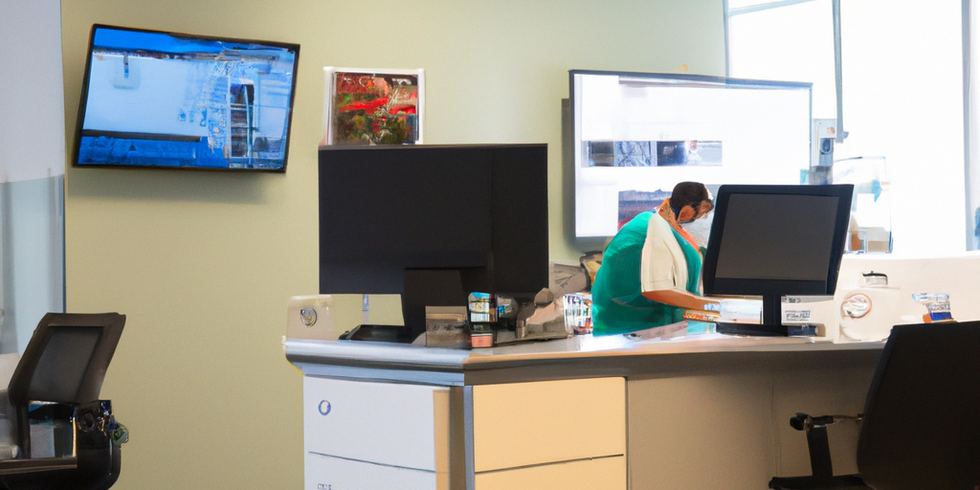
Healthcare organizations face unprecedented cybersecurity challenges in 2026, with proposed HIPAA Security Rule updates requiring mandatory encryption, multi-factor authentication, and real-time monitoring. For practice managers and healthcare administrators, partnering with managed IT support for healthcare has become essential to navigate these complex requirements while protecting patient data and maintaining operational efficiency.
The healthcare industry continues to be the most targeted sector for cyberattacks, with ransomware incidents increasing 36% and average breach costs now exceeding $10 million per incident. These staggering numbers underscore why the Department of Health and Human Services is implementing stricter cybersecurity mandates that will fundamentally change how healthcare practices approach IT security.
Understanding the 2026 HIPAA Security Rule Changes
The upcoming HIPAA updates convert previously “addressable” safeguards into mandatory requirements for all covered entities and business associates. These changes represent the most significant overhaul of healthcare cybersecurity regulations in over two decades.
Key mandatory requirements include:
- Network segmentation to isolate ePHI systems from general networks
- Multi-factor authentication for all ePHI access points
- Encryption of electronic protected health information at rest and in transit
- Real-time monitoring with enhanced access controls
- Annual penetration testing and biannual vulnerability scanning
- 72-hour data restoration capabilities with testable recovery plans
The timeline is aggressive: organizations will have only 180 days after the final rule publication to achieve full compliance. This short window makes immediate preparation critical for avoiding costly penalties and maintaining patient trust.
Why Zero Trust Architecture Matters for Healthcare
Traditional perimeter-based security models are no longer adequate against today’s sophisticated threats. Zero trust architecture operates on the principle of “never trust, always verify,” treating every access request as potentially hostile regardless of its origin.
For healthcare practices, zero trust provides:
- Identity verification for users, devices, and AI tools
- Protection against credential theft and malware-free intrusions
- Seamless integration with existing EHR/EMR systems
- Granular access controls based on user roles and responsibilities
This approach is particularly valuable for multi-location clinics where staff regularly access patient data from various devices and locations. Zero trust ensures that even if credentials are compromised, attackers cannot move laterally through your network.
The Role of AI in Healthcare Cybersecurity
Artificial intelligence has emerged as both a threat and a defense mechanism in healthcare cybersecurity. While cybercriminals increasingly use AI to enhance their attacks, healthcare organizations can leverage AI-powered threat detection for superior protection.
Modern AI security solutions offer:
- Real-time anomaly detection that identifies unusual network behavior
- Automated response capabilities including device isolation
- Predictive analytics to spot ransomware before encryption begins
- Machine learning that adapts to new threat patterns
For busy practice managers, AI-driven security means fewer false alarms and more accurate threat identification, reducing the burden on already stretched IT resources while improving overall security posture.
Building Comprehensive Ransomware Defense
Ransomware remains the top cybersecurity threat facing healthcare organizations, with attackers specifically targeting the sector’s low tolerance for downtime. A comprehensive defense strategy must include multiple layers of protection.
Essential ransomware defenses include:
- Network segmentation to contain potential breaches
- Immutable backups that cannot be encrypted by ransomware
- Employee training focused on phishing and social engineering
- Regular security assessments to identify vulnerabilities
- Incident response planning with tested recovery procedures
Cloud migration for EHR systems offers additional protection through automatic security patches and real-time updates, significantly reducing vulnerabilities associated with outdated on-premise installations. This approach is particularly beneficial for smaller practices that lack dedicated IT staff to manage complex security updates.
Strengthening Access Controls and Training
Human error remains a significant factor in healthcare data breaches, making comprehensive access controls and ongoing training essential components of any cybersecurity strategy.
Best practices for access management:
- Least-privilege access ensuring users can only access necessary systems
- Regular access reviews to remove unnecessary permissions
- Strong firewall configurations protecting network perimeters
- Annual awareness programs addressing current threat landscapes
Specialty practices like cardiology or behavioral health face unique risks due to the sensitive nature of their patient data. Tailored training programs help staff recognize threats specific to their practice areas while maintaining compliance with both HIPAA and specialty-specific regulations.
What This Means for Your Practice
The 2026 HIPAA updates represent both a challenge and an opportunity for healthcare organizations. While compliance requirements are becoming more stringent, these changes provide a framework for building robust cybersecurity defenses that protect patient data and ensure business continuity.
Immediate action steps include:
- Conducting a comprehensive hipaa risk assessment to identify current gaps
- Evaluating your current IT infrastructure against new requirements
- Partnering with experienced managed IT support for healthcare providers
- Developing a phased implementation plan for required security controls
For organizations with limited resources, managed security partnerships or cloud-based SaaS tools can provide cost-effective solutions for meeting compliance requirements while avoiding the potentially devastating costs of a data breach. The investment in proper cybersecurity measures today will pay dividends in reduced risk, improved efficiency, and enhanced patient trust for years to come.