



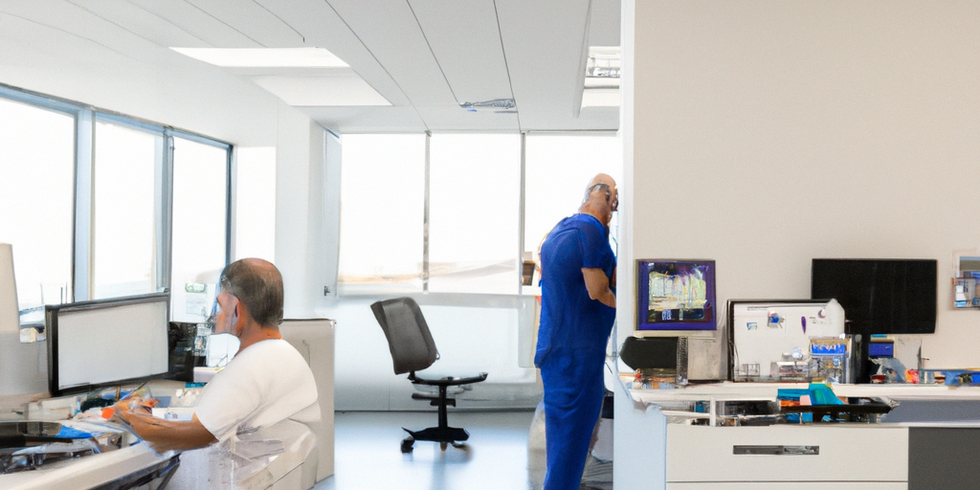
Healthcare practices face an unprecedented ransomware crisis in 2026, with attacks surging 36% year-over-year and healthcare targeted in over one-third of all ransomware incidents—more than twice any other industry. For practice managers and healthcare executives, this reality demands immediate action through professional managed IT support for healthcare to protect patient data, maintain operations, and ensure HIPAA compliance.
The Rising Cost of Healthcare Ransomware
Healthcare remains the costliest sector for data breaches, averaging nearly $10 million per incident in 2024. Recent data shows 86 ransomware attacks occurred in just three months of 2025, plus 26 major breaches in September alone. These attacks create devastating consequences:
• Operational downtime lasting days or weeks
• Lost revenue from disrupted billing systems
• Patient care delays affecting health outcomes
• HIPAA violation fines under stricter breach notification rules expected late 2026
• Reputation damage that takes years to rebuild
Attackers specifically target healthcare because they know practices prioritize quick recovery to avoid patient harm. This urgency makes healthcare organizations more likely to pay ransoms, creating a vicious cycle that encourages more attacks.
Why Healthcare Is the Primary Target
Healthcare’s vulnerability stems from several factors that make it attractive to cybercriminals:
High-value patient data contains comprehensive personal, financial, and medical information worth significantly more than standard financial records on the dark web. Legacy systems often run outdated software with known vulnerabilities that are difficult to patch without disrupting patient care.
Connected medical devices (IoMT) in cardiology, orthopedic, and other specialty clinics often lack proper security controls. Third-party vendors including cloud hosts, billing processors, and remote access tools create additional attack vectors through weak security links.
The recent mega-breaches exposed millions of patient records through compromised vendor relationships, highlighting how attackers exploit these extended networks.
Essential Managed IT Support for Healthcare Protection
Professional managed IT support for healthcare provides comprehensive ransomware protection without requiring internal IT expertise. Key protective measures include:
Network Segmentation and Backup Strategy
Isolate critical systems by separating EHR/EMR, billing systems, and medical devices on different network segments. This containment approach prevents ransomware from spreading across your entire infrastructure.
Implement immutable backups that cannot be altered or encrypted by ransomware. These air-gapped backups ensure rapid recovery without paying ransoms, typically restoring operations within hours rather than days.
Zero-Trust Security Framework
Verify all access attempts, even from internal users and devices. This approach treats every connection as potentially compromised, requiring authentication and authorization before granting system access.
Deploy AI-powered monitoring for real-time anomaly detection that flags unusual behavior patterns, suspicious logins, or potential data exfiltration attempts without requiring major IT infrastructure changes.
Vendor Risk Management
Secure third-party relationships through comprehensive vendor vetting and properly structured business associate agreements (BAAs). Recent attacks have exploited weak vendor security to access multiple healthcare organizations simultaneously.
Monitor vendor access continuously to ensure compliance with security policies and detect unauthorized activities across your extended network.
Compliance Protection Through HIPAA Risk Assessment
Regular HIPAA risk assessments identify vulnerabilities before attackers exploit them. Professional assessments evaluate:
• Physical safeguards for servers, workstations, and medical devices
• Administrative controls including staff training and access policies
• Technical protections such as encryption, firewalls, and monitoring systems
• Vendor relationships and business associate agreement compliance
These assessments provide documented evidence of due diligence, which can reduce penalties if a breach occurs despite your protective measures.
Staff Training and Device Security
Human error remains a leading cause of successful ransomware attacks. Managed IT providers deliver ongoing staff education covering:
Phishing recognition to identify suspicious emails before clicking malicious links or attachments. Password security including multi-factor authentication and regular password updates for all systems.
Medical device security by changing default passwords on monitors, imaging equipment, and other connected devices that often ship with weak security configurations.
Incident response procedures so staff know exactly what to do if they suspect a security incident, minimizing damage through rapid response.
What This Means for Your Practice
Ransomware threats will only intensify in 2026 as AI-powered attacks become more sophisticated and regulatory requirements tighten. Healthcare practices cannot afford to treat cybersecurity as an afterthought or rely solely on basic antivirus software.
Professional managed IT support for healthcare provides the expertise, tools, and 24/7 monitoring necessary to protect your practice, patients, and reputation. The cost of prevention is always lower than the cost of recovery, and the peace of mind knowing your systems are properly protected allows you to focus on what matters most—providing excellent patient care.
Don’t wait for an attack to realize your vulnerabilities. Schedule a comprehensive security assessment today to identify gaps and implement professional-grade protection before ransomware strikes your practice.





