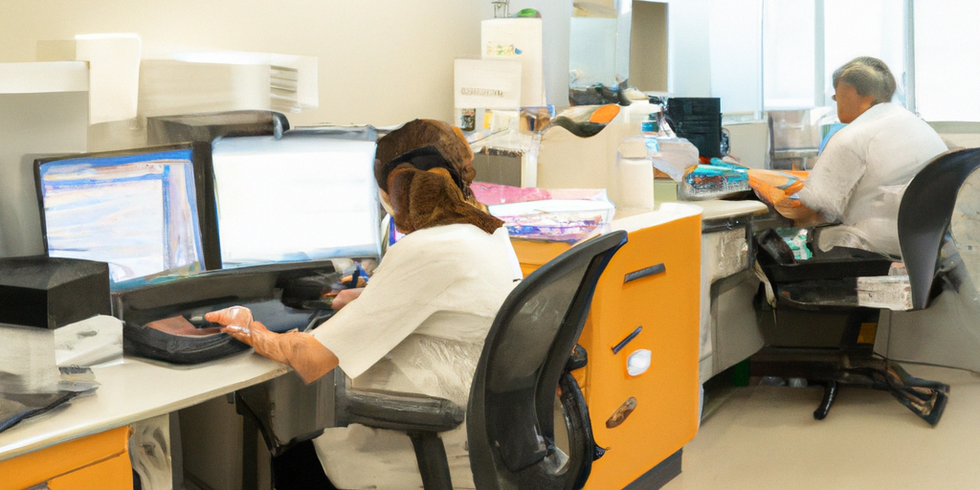
When your electronic health record system crashes during peak patient hours or your staff spends more time troubleshooting technology than providing care, these are unmistakable signs your medical office needs healthcare IT support. Recognizing these warning indicators early can prevent costly downtime, compliance violations, and operational inefficiencies that directly impact patient care and your practice’s financial health.
Medical practices often operate with inadequate IT infrastructure until a crisis forces change. However, waiting until systems fail completely creates unnecessary risks and expenses that proper planning can avoid.
System Performance Issues Are Disrupting Patient Care
Frequent system downtime represents the most obvious indicator your practice needs professional IT support. When your EHR system crashes more than once monthly, forcing staff to revert to paper records, patient care quality suffers significantly.
Additional performance problems that require immediate attention include:
- Slow workstation boot times exceeding 5-10 minutes
- Application sluggishness during peak patient appointment hours
- Network connectivity problems affecting check-in tablets and exam room computers
- Servers requiring frequent manual restarts
- Wi-Fi connectivity issues blocking mobile device access for providers
The financial impact proves substantial. Unplanned downtime costs healthcare practices an average of $7,500 per minute in lost productivity and revenue. Multi-day outages can result in millions of dollars in losses from cancelled appointments, delayed billing, and manual documentation requirements.
Your Staff Is Troubleshooting Instead of Providing Care
When clinical staff members handle technology problems, your practice fundamentally misallocates expensive resources. Healthcare professionals should focus on patient care, not printer jams or network troubleshooting.
Common productivity disruptions that signal inadequate IT support include:
- Physicians spending appointment time troubleshooting system failures
- Nurses resetting computers or calling colleagues for basic tech support
- Front desk staff manually working around system integration failures
- Double data entry when systems fail to communicate properly
- Clinical staff losing more than 45 minutes per shift due to incomplete or inaccessible data
These situations create cascading delays throughout your practice. Nearly 83% of healthcare professionals report losing clinical time during shifts due to technology problems, translating to more than four weeks of lost clinical productivity annually.
Security Vulnerabilities and Compliance Gaps Exist
Medical practices require healthcare-specific IT expertise that general business technology providers cannot deliver. If your current IT support cannot explain how their recommendations align with HIPAA requirements, your practice assumes unnecessary regulatory risk.
Critical security warning signs include:
- Missing or incomplete HIPAA compliance documentation for IT systems
- IT staff unfamiliar with healthcare-specific regulations and requirements
- No regular security risk assessments conducted
- Outdated antivirus software or operating systems missing security patches
- Weak password policies across the practice
- Lack of encryption for devices containing patient information
Healthcare data breaches now average between $11 million and $12 million per incident—the highest cost of any industry. These expenses include forensics, crisis response, notification requirements, legal fees, and regulatory reporting that can devastate smaller practices.
Missing Documentation and Audit Trails
Proper HIPAA compliance requires detailed documentation of security measures, access controls, and risk assessments. If your practice cannot produce current security documentation during an audit, you face significant regulatory exposure and potential fines.
You’re Operating in Crisis Management Mode
Emergency-only IT support indicates an unsustainable approach that ultimately costs more than proactive management. Reactive technology management creates unnecessary stress and expenses while compromising patient care quality.
Signs of inadequate IT strategy include:
- Response times measured in hours or days rather than minutes
- No Service Level Agreements guaranteeing maximum response times
- Recurring problems that receive temporary fixes instead of permanent solutions
- Missing preventive maintenance schedules for critical systems
- Technology decisions made without professional IT input
- Lack of a technology roadmap for growth or regulatory changes
Proactive IT management prevents most emergency situations while ensuring your technology infrastructure supports practice growth rather than limiting it.
Integration and Scalability Problems Are Growing
Data synchronization problems between systems signal fundamental infrastructure issues that worsen over time. When different software systems cannot communicate effectively, your practice operates inefficiently while staff waste time on manual workarounds.
Integration challenges requiring professional attention include:
- EHR systems that don’t sync properly with practice management software
- New medical devices that won’t connect to existing networks
- Outdated hardware requiring frequent repairs or replacements
- Software that no longer receives security updates from vendors
- Inability to support telehealth or remote access capabilities
- Different software versions across multiple office locations
These problems become especially critical as practices expand, add locations, or introduce new services. Basic IT setups cannot scale appropriately to support growth while maintaining security and compliance standards.
What This Means for Your Practice
Recognizing these warning signs early allows your practice to address IT challenges proactively rather than reactively. Professional healthcare IT support protects your practice from costly downtime, compliance violations, and operational inefficiencies while enabling growth and improved patient care.
The cost of delaying proper IT support far exceeds the investment in professional services. Physician practices that experienced significant IT disruptions reported 55% revenue decreases and 60% patient volume reductions on average.
Modern healthcare requires reliable, secure, and compliant technology infrastructure. When your current IT approach shows these warning signs, it’s time to consider healthcare technology consulting guidance that understands the unique requirements of medical practices.
Ready to evaluate your practice’s IT infrastructure? Contact Medical IT Gurus today for a comprehensive technology assessment that identifies vulnerabilities, compliance gaps, and opportunities for improvement. Our healthcare-focused approach ensures your technology supports excellent patient care while protecting your practice from preventable risks.